
High-Quality Lithopone White Pigment for Superior Coverage and Durability
By:Admin
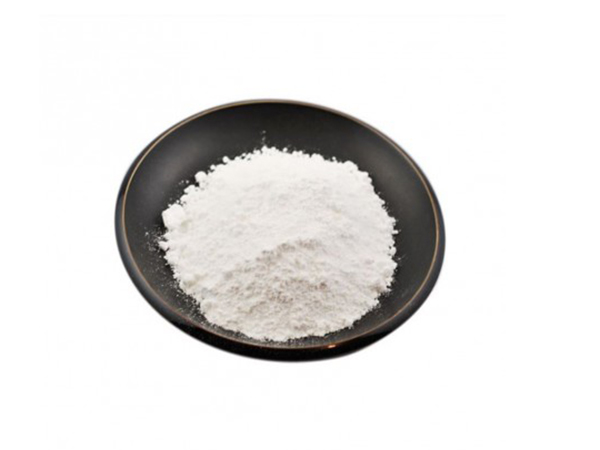
In the ever-evolving world of industrial pigments, a novel Lithopone White Pigment has been making significant waves. This groundbreaking material is rapidly emerging as a superior alternative across various sectors, thanks to its exceptional properties and environmentally friendly attributes. Its development aligns perfectly with modern manufacturing's increasing emphasis on sustainability and performance.
**What is Lithopone White Pigment?**
Lithopone is a blend primarily composed of barium sulfate and zinc sulfide. Traditionally used as a white pigment, lithopone offers an effective and economical alternative to titanium dioxide, which has dominated the white pigment market for decades. The new generation of Lithopone white pigment demonstrates enhanced qualities such as brightness, opacity, and a finer particle size, making it highly versatile for varied industrial uses.
**Why Lithopone?**
The shift toward Lithopone arises from multiple factors. Titanium dioxide, while highly effective, presents environmental and health concerns during both the manufacturing and disposal phases. Additionally, fluctuations in raw material prices have driven manufacturers to seek cost-effective alternatives without sacrificing quality.
Lithopone’s unique composition provides excellent whiteness and excellent opacity, crucial for applications ranging from paints and coatings to plastics and paper. Its non-toxic nature and lower environmental footprint make it a preferred choice in sectors aiming to reduce their ecological impact.
**Applications Across Diverse Industries**
The updated Lithopone white pigment is proving indispensable across multiple industries:
- **Paints and Coatings:** Its superior hiding power and brightness enhance paint products, providing vibrant and durable finishes.
- **Plastics:** When integrated into plastic resins, lithopone improves coloration and structural integrity.
- **Paper Manufacturing:** The pigment enhances paper brightness and opacity, critical for quality print materials.
- **Rubber and Inks:** Its compatibility with rubber compounds and inks ensures consistent color and performance.
**Company Overview**
The company behind this innovation is a global chemical manufacturer with a rich history of delivering high-quality pigment products to industrial clients worldwide. With a commitment to sustainable development, the company invests heavily in research and development, aiming to produce environmentally safe and performance-driven materials.
Their production facilities utilize state-of-the-art technology to ensure the consistency and purity of their Lithopone pigments. Environmentally responsible processes and strict quality control measures underline their commitment to both product excellence and ecological stewardship.
**Sustainability and Environmental Impact**
One of the most compelling advantages of the new Lithopone white pigment is its environmentally friendly profile. Unlike some traditional pigments, the manufacturing process emits fewer pollutants and consumes less energy. Furthermore, due to its chemical stability, lithopone-containing products exhibit enhanced durability, reducing the need for frequent repaints or replacements, thereby lowering resource consumption over a product’s lifecycle.
Industry experts highlight the potential of this pigment to contribute significantly toward achieving green manufacturing goals. By offering a non-toxic alternative with equal or better performance characteristics, it supports companies seeking to reduce their carbon footprint and comply with increasingly stringent environmental regulations.
**Market Prospects and Industry Response**
Market analysts predict strong growth for Lithopone white pigment in the coming years. Driven by rising demand for sustainable and cost-effective materials, as well as expanding applications, the pigment is well positioned to capture a substantial share of the white pigment market.
Manufacturers and end-users alike are responding positively, noting the pigment’s ability to blend seamlessly into existing production lines while delivering improved quality. Early adopters report enhanced end-product performance and operational efficiencies.
**Future Developments**
The company continues to invest in advancing Lithopone pigment technology. Ongoing research aims to further improve particle dispersion, enhance brightness, and tailor pigment characteristics for specialized industrial needs. Collaborations with key industry players foster innovation, ensuring the pigment remains at the forefront of material science.
In addition, the focus on sustainability is prompting exploration into recyclable and bio-based pigment formulations, aligning with circular economy principles.
**Conclusion**
The emergence of this innovative Lithopone white pigment marks a significant milestone in the pigment industry. Balancing performance, cost-efficiency, and environmental responsibility, it stands as a compelling solution for manufacturers navigating today’s complex market demands.
As industries worldwide adopt this advanced pigment, the benefits of improved product quality and reduced environmental impact are set to expand, reinforcing the company’s position as a leader in sustainable chemical manufacturing solutions.