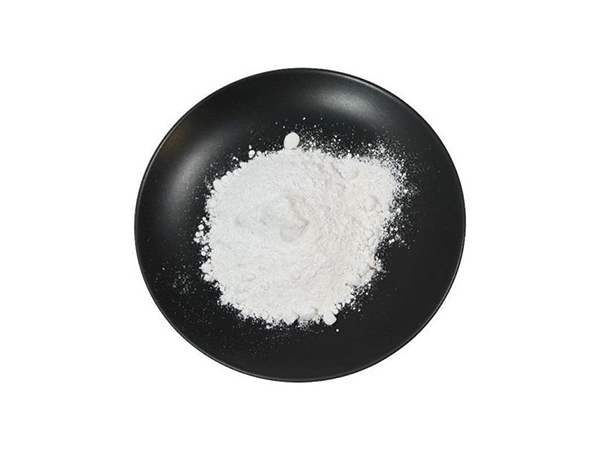
**Titanium Dioxide in Skincare: Safe and Effective for Consumer Use**In recent years, concerns regarding the safety of various ingredients in skincare products have surged, prompting both consumers and experts to seek clarity. Among these ingredients, titanium dioxide has often been spotlighted due to its widespread use and perceived risks. Recent evaluations and studies have, however, reaffirmed that titanium dioxide remains a safe and effective ingredient in skincare formulations when used appropriately.**Understanding Titanium Dioxide**Titanium dioxide is a naturally occurring mineral used extensively as a pigment and UV filter in a variety of products, including sunscreens, foundations, and moisturizers. Its primary function in skincare is to provide broad-spectrum protection against the harmful effects of ultraviolet (UV) radiation. By reflecting and scattering UV rays, titanium dioxide helps shield the skin from sun damage, premature aging, and the risk of skin cancer.Besides its photoprotective properties, titanium dioxide also serves as a whitening and brightening agent, enhancing the aesthetic appeal of skincare products. Its fine particles are often used to achieve the desired texture and opacity in creams and lotions.**Safety Profile of Titanium Dioxide**The safety of titanium dioxide has been extensively researched by dermatologists, toxicologists, and regulatory authorities worldwide. According to agencies such as the U.S. Food and Drug Administration (FDA), the European Commission’s Scientific Committee on Consumer Safety (SCCS), and the World Health Organization (WHO), titanium dioxide is considered safe for topical use in cosmetics and skincare products.One of the concerns raised in the past relates to the nanoparticle form of titanium dioxide, which refers to particles sized less than 100 nanometers. Some studies speculated that nanoparticles might penetrate the skin barrier and cause cellular damage. Nevertheless, recent scientific evidence indicates that titanium dioxide nanoparticles, when used in cosmetic products, do not penetrate beyond the outermost dead layer of the skin (stratum corneum) and therefore do not reach living cells or the bloodstream.Furthermore, regulatory bodies have set strict guidelines on the maximum allowable concentration of titanium dioxide in cosmetics. These measures ensure that consumers are not exposed to harmful levels of the compound. When adhered to, the risk of any adverse effects is minimized or eliminated.**Titanium Dioxide’s Role in Sun Protection**With increasing awareness of the dangers posed by UV radiation, the role of titanium dioxide in sun protection has gained even more significance. As a physical sunscreen agent, titanium dioxide offers several advantages over chemical UV filters. It provides immediate protection upon application and is less likely to cause skin irritation or allergic reactions, making it suitable for sensitive skin types.Moreover, titanium dioxide is photostable, meaning it does not degrade upon exposure to sunlight, thereby maintaining its protective efficacy throughout the day. This stability is vital for ensuring consistent defense against UV-induced skin damage.**Environmental Considerations**Concerns have also been raised about the environmental impact of titanium dioxide, especially regarding aquatic ecosystems. Current research suggests that while large quantities of titanium dioxide nanoparticles might have some environmental effects, the quantities used in cosmetic applications—and consequently released into the environment—are minimal and fall within safe limits established by environmental protection agencies.**Company Commitment to Safety and Innovation**{} takes pride in its commitment to incorporating safe, effective, and scientifically validated ingredients into its skincare lines. Recognizing the importance of consumer health and environmental stewardship, the company rigorously tests all formulations to comply with global safety standards. {} continuously monitors emerging scientific research to update its ingredient policies and ensure that the products offered to customers not only enhance beauty but also safeguard skin health.In light of the latest scientific reviews, {} stands by the inclusion of titanium dioxide in its products, confident in its safety and efficacy. The company’s formulations harness the protective benefits of titanium dioxide, delivering superior sun defense without compromising on skin comfort or product quality.**Consumer Guidance**For consumers concerned about titanium dioxide or any other ingredient, it is essential to rely on credible, science-based information rather than anecdotal claims. Consulting dermatologists and reviewing products approved by reputable regulatory agencies can help make informed decisions.When using skincare products containing titanium dioxide, proper application—such as using adequate amounts and reapplying as directed—is critical to achieving optimal sun protection. Combining sun-protective skincare with other measures, including seeking shade and wearing protective clothing, further enhances skin safety.**Conclusion**Titanium dioxide remains a cornerstone ingredient in modern skincare, particularly in sun protection formulations. Supported by robust scientific evidence and regulatory oversight, it provides a safe, effective barrier against UV damage, catering to the needs of diverse skin types and preferences.As {} continues to innovate and formulate products grounded in safety and efficacy, consumers can trust that their skincare choices support both their beauty goals and long-term skin health. Titanium dioxide’s inclusion reflects a commitment to delivering high-quality, science-backed skincare solutions in an ever-evolving market.---*This article is intended to inform and educate consumers about the safety of titanium dioxide in skincare products and does not endorse any specific brand.*
Read More